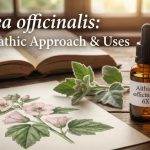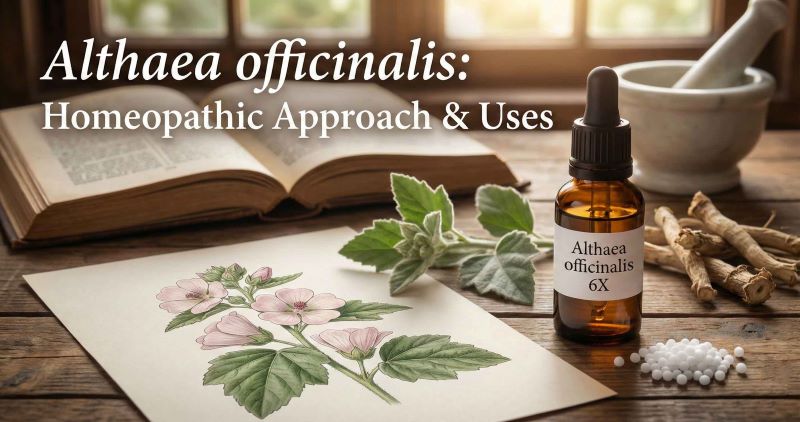
The botanical domain offers a vast, historically rich repository of therapeutic agents that continuously bridge the material science of modern pharmacognosy with the energetic paradigms of homoeopathic medicine. Among the most venerable and extensively documented of these medicinal plants is Althaea officinalis, universally recognized in the vernacular as Marshmallow.
Revered for millennia across highly diverse and geographically disparate ethnomedical systems, the plant has successfully transitioned from an ancient healing staple to a subject of rigorous modern pharmacological scrutiny, as well as a highly specific, nuanced homoeopathic remedy.The nomenclature of the plant immediately reveals its clinical destiny.
The genus name Althaea is derived from the ancient Greek word altho or althainein, which directly translates “to heal” or “to cure,” reflecting a profound reverence for its restorative capacities. The specific epithet officinalis serves as a historical taxonomic marker denoting its official recognition as a medicinal substance, indicating that the plant was a foundational stock item in the dispensaries and clinics—the “offices”—of medieval monasteries and apothecaries. Furthermore, its broader botanical family lineage, the Malvaceae, originates from the Greek root malake, translating to “soft”. This etymological convergence of “healing” and “softness” perfectly encapsulates the plant’s core therapeutic signature across all paradigms of medicine: it is the quintessential agent for softening, moistening, and protecting hardened, inflamed, or irritated biological tissues.
This exhaustive research report delineates the complete and comprehensive drug picture of Althaea officinalis. It integrates its extensive historical trajectory, traditional applications across global medical systems (including Unani, Ayurveda, and Native American traditions), modern phytochemical and pharmacological validations, and a comprehensive homoeopathic Materia Medica profiling its physical affinities, mental-emotional characteristics, and strict clinical indications.
Botanical Profile and Pharmacognostic Characteristics
Althaea officinalis is an herbaceous, perennial plant native to the damp, marshy, and riparian environments of Europe, Western Asia, and North Africa. Over centuries of global migration and maritime trade, it has become thoroughly naturalized in North America, thriving particularly in the brackish salt marshes, damp meadows, and tidal riverbanks ranging longitudinally from Massachusetts to Virginia.
Morphology and Cultivation
The physical architecture of the plant provides vital clues to its therapeutic application. Althaea officinalis typically reaches a height of three to four feet, though in optimal, nutrient-rich, damp soils, it can extend up to seven feet. The plant features a thick, erect, and tap-like root system characterized by a remarkably tough, fibrous, and hardened yellowish exterior that protects a deeply soft, white, and highly mucilaginous interior pulp. This taproot can reach up to 50 centimeters in length and is typically harvested for medicinal processing in the autumn of the plant’s second or third year of growth, when the concentration of stored polysaccharides is at its absolute peak. The aerial stems are erect, simple, and occasionally put out minor lateral branches. These stems bear leaves that are roundish or ovate-cordate, measuring two to three inches in length, with irregularly toothed margins. Both the leaves and the stems are heavily cloaked in a dense, protective covering of stellate (star-shaped) hairs, giving the entire plant a soft, velvety, and grayish-green appearance that is highly distinctive. In late spring and throughout the summer, the plant produces terminal and axillary flowers. These flowers are typically pale pink, reddish-pink, or rarely white, characterized by five heart-shaped petals and a central column of fused stamens—a morphological hallmark of the Malvaceae family. The seeds produced are dark-brown, kidney-shaped, and compressed.
Comprehensive Phytochemical Composition
The profound therapeutic efficacy of Althaea officinalis is intrinsically linked to its complex, multidimensional phytochemical matrix. While the leaves, flowers, and seeds are utilized both in culinary and medicinal preparations, the root is unequivocally the primary medicinal organ due to its overwhelming concentration of mucopolysaccharides. The chemical makeup of the plant is known to fluctuate based on the specific cultivar, geographic climate, soil hydration, and subsequent drying and storage methods, but its core bioactive constituents remain highly consistent.
| Phytochemical Class | Specific Compounds Identified | Primary Biological and Pharmacological Actions |
| Mucopolysaccharides & Carbohydrates | Rhamnogalacturonan, arabinans, glucans, galacturorhamnans, arabinogalactans, pectin (up to 11%), starch (25–35%), saccharose (10%). | Forms a highly viscous, protective bio-adhesive film over internal and external mucous membranes. Acts as a primary antitussive, demulcent, emollient, and wound-healing agent. Pectin supports gut health as a gentle fiber. |
| Flavonoids | Hypoletin-8-glucoside, isoquercitrin, kaempferol, quercetin, 8-hydroxyluteolin. | Provides potent antioxidant, anti-inflammatory, radical scavenging, and immunomodulatory activity. Modulates cellular inflammatory pathways. |
| Phenolic Acids | Caffeic acid, ferulic acid, p-coumaric acid, syringic acid, p-hydroxybenzoic acid, salicylic acid, vanillic acid. | Delivers localized antimicrobial and anti-inflammatory support. Protects tissues against oxidative degradation. |
| Coumarins | Scopoletin. | Demonstrates potential anti-thyroid, systemic anti-inflammatory, and hypoglycemic activity without inducing hepatotoxicity. Acts as a smooth muscle relaxant. |
| Amino Acids & Amines | Asparagine (approx. 2%), betaine. | Imparts soothing, cooling, and mild diuretic properties. Historically recognized for its cooling effects in Unani and Siddha medicine. |
| Other Bioactive Compounds | Tannins, phytosterols, triterpenoids, lecithin, malic acid. | Tannins provide tissue coagulation (astringent support) to seal wounds. Phytosterols offer structural cell membrane support and broad anti-inflammatory properties. |
The mucilage content is fundamentally the driving force behind the plant’s medicinal identity. It is highest in the root, estimated at roughly 35% (350,000 parts per million) in dried form, making Althaea officinalis one of the most potent botanical demulcents available in the global pharmacopoeia. This concentration significantly surpasses the mucilage content found in its botanical cousins, such as Malva sylvestris (Common Mallow), which contains approximately 10% mucilage primarily localized in its flowers.
Ethnomedical, Historical, and Native Lineage
The clinical history of Althaea officinalis spans over two millennia, representing an unbroken, continuous thread of ethnomedical application across vastly disparate cultures and medical philosophies. Its foundational use as a soothing demulcent for irritated, inflamed, and desiccated tissues has been preserved with remarkable consistency from ancient antiquity to the modern era, suggesting a high degree of empirical reliability.
Greco-Roman Antiquity and European Herbalism
In the first century AD, the renowned Greek physician and pharmacologist Pedanius Dioscorides meticulously documented the medicinal uses of Marshmallow in his foundational text, Materia Medica (also known historically as Hashayesh). Dioscorides recommended the plant for a vast and diverse array of severe afflictions. He utilized it topically for injuries, parotid tumors, scrofula, and the soothing of hard pustules and purulent inflammations residing deep under the skin. Internally, he prescribed it for mastitis, uterine disorders, urinary calculus (bladder stones), dysentery, haemoptysis (coughing up blood), toothaches, and severe burns.
The Roman naturalist Pliny the Elder similarly recognized its profound healing capacity, advocating for a specific decoction of the marshmallow root mixed with milk to be consumed consecutively over five days as an absolute cure for persistent, wracking coughs. Pliny also noted its efficacy when administered via enemas to treat dysentery and bloody diarrhea, utilizing the mucilage to directly coat the ulcerated lower intestines. Throughout the Middle Ages, the plant was a cornerstone of European monastery clinics and traditional folk medicine. It was known by various monikers, including Schloss Tea, Mortification Root, Sweet Weed, and Cheeses (due to the shape of its seed pods).
The mucilaginous juices of the root were originally extracted, whipped with honey, egg whites, and sugar by French apothecaries to create the medicinal confection pâte de guimauve. This was utilized as a highly effective, soothing throat lozenge that served as the direct precursor to the modern marshmallow candy. Today, commercial marshmallows are purely recreational confections containing only sugar, corn syrup, and gelatin, completely devoid of the healing herb that gave the candy its name.
Traditional Persian Medicine (TPM) and the Unani System
Within the highly sophisticated, humoral-based frameworks of Traditional Persian Medicine (TPM) and the Unani medical system, Althaea officinalis holds a position of paramount importance. In these traditions, the plant is referred to variously as Khatmi, Panirak, or Moloukhia. The fundamental diagnostic and therapeutic paradigm in both TPM and Unani relies on the concept of Mizaj, or temperament, which categorizes human physiology and botanical medicines based on four elemental qualities: fire, air, water, and soil, corresponding to heat, dryness, moisture, and cold.
While ancient scholars debated its exact nature—Galen classified marshmallow as distinctly cold and wet, whereas Avicenna perceived it as mildly warm—modern Unani scholars and practitioners overwhelmingly classify the herb as possessing a cold and wet temperament. This energetic classification is crucial, as it renders Althaea officinalis a specific, targeted antidote for pathological states characterized by excessive heat, dryness, friction, and systemic inflammation.
Unani physicians have historically utilized the herb in highly specialized, localized applications. In pediatric care, it was employed in sitz baths to facilitate the passing of bladder stones, as an enema for constipation and seizures, and as a topical compress applied to the head to reduce the severe inflammation of meningitis. In ophthalmology and otolaryngology, extracts were formulated into drops to treat puffy eyelids, conjunctivitis, hordeolum (styes), and severe pharyngitis. Unani texts recommend complex, synergistic formulations for internal medicine. For instance, to successfully manage gestational urinary tract infections, Unani practitioners administer a mucilaginous preparation of Althaea officinalis combined with Tribulus terrestris, Sphaeranthus indicus, and the seeds of Punica granatum (pomegranate) and Citrullus vulgaris (watermelon). It remains a critical, heavily utilized ingredient in modern Unani pharmacopoeias for addressing Warm-e-Majra-e-Baul (urinary tract infections) and Warm-e-Masana (cystitis).
Ayurvedic Perspectives and Applications
In the traditional Indian Ayurvedic system of medicine, Althaea officinalis (known locally as Khatmi or Gulkhero) is highly valued for its specific energetic profile and its profound capacity to modulate systemic imbalances. While not featured prominently in the absolute earliest Vedic texts, it was integrated into later compendiums such as the Bhava Prakasha Nighantu under the ‘Parishishta Varga’.
Ayurvedic pharmacology categorizes the herb based on its sensory and energetic effects on the human constitution. It is characterized by its Madhura (sweet) Rasa (taste), its Snighdha (unctuous or oily) and Picchila (slimy/mucilaginous) Guna (qualities), and its Sheet (cold) Virya (potency). The Vipaka, or post-digestive effect, remains Madhura (sweet). Energetically, this specific combination of heavy, cold, and moistening attributes acts to powerfully pacify the Vata dosha (which governs air and ether, characterized by dryness and erratic mobility) and the Pitta dosha (which governs fire and water, characterized by heat, sharpness, and inflammation). Conversely, because of its heavy and moist nature, it predictably increases the Kapha dosha (water and earth).
Ayurvedic clinical practice utilizes the herb primarily as a demulcent (Vranaropaka) for conditions such as Pratishyaye (rhinitis), Kasa (cough), Atisaar (diarrhea), and Mutrakrichra (dysuria). An essential, classical Ayurvedic formulation indicated for severe, dry coughs is “Gojihvadi Kvath,” which explicitly pairs marshmallow seeds and roots to optimally coat and soothe the bronchial linings. Modern Ayurvedic practitioners frequently blend Althaea officinalis into proprietary syrup formulas to address post-viral lingering throat irritation and dry cough recovery.
Native American and Folk Traditions
As the plant naturalized across the North American continent, indigenous populations and early colonial settlers rapidly observed its morphology and integrated it into their respective pharmacopoeias. Native American traditions utilized the mucilage-dense roots to create thick, drawing poultices and decoctions for healing severe bruises, sprains, and deep muscle aches. It was historically administered internally—often boiled in milk or wine, mirroring the ancient Roman practices—to mitigate severe pulmonary afflictions like whooping cough, bronchitis, and asthma. It was particularly favored in pediatric cases due to its incredibly gentle, nourishing, and non-toxic nature, making it a safe primary intervention for infants and children suffering from respiratory distress or dysentery.
Modern Pharmacological Validation and Scientific Efficacy
The empirical, observational data compiled by traditional herbalists and ancient physicians regarding Althaea officinalis has been extensively and rigorously validated by modern scientific inquiry. The plant’s profound pharmacology is dominated by the physical and biochemical properties of its bio-adhesive polysaccharides, which are deeply supported by the synergistic, immunomodulatory actions of its flavonoid and phenolic constituents.
Antitussive and Respiratory Mechanisms
Althaea officinalis is officially approved by the German Commission E for the treatment of irritation of the oral and pharyngeal mucosa and the resultant dry, tickling, unproductive cough. Modern pharmacological research indicates that a specific, isolated polysaccharide fraction—rhamnogalacturonan—is primarily responsible for the plant’s potent antitussive activity.
The mechanism of action of this botanical extract differs significantly from central nervous system (CNS) suppressants like codeine or dextromethorphan. Rather than solely acting on the brain’s medullary cough center to suppress the urge to cough, the complex polysaccharides of the mucilage create a physical, bio-adhesive protective film directly over the inflamed epithelial mucosa of the pharynx and upper respiratory tract. This viscous barrier physically shields the sensitive, denuded cellular mechanoreceptors and chemoreceptors from further mechanical irritation, environmental particulates, allergens, and microbial invasion.
Furthermore, advanced pharmacological studies suggest that the mucilage may also possess a dose-dependent peripheral mechanism involving the modulation of 5-HT2 (serotonin) receptors to suppress the cough reflex, demonstrating an efficacy comparable to the non-narcotic drug dropropizine. Clinical trials have repeatedly demonstrated its profound in vivo efficacy. In a rigorously structured double-blind clinical study conducted by Rouhi and Ganji, patients suffering from chronic, dry cough induced by the administration of Angiotensin-Converting Enzyme (ACE) inhibitors were given Althaea officinalis extract (40mg, three times daily). The mean scores of cough severity dropped significantly, and eight patients in the active group experienced a complete and total abolition of the pharmaceutical-induced cough, an effect rarely achieved with standard antitussive agents. Additional post-marketing surveillance on children utilizing standardized marshmallow syrups (such as Phytohustil) confirmed rapid alleviation of dry, irritating coughs with an exceptional safety profile.
Immunomodulatory and Anti-Inflammatory Action
The anti-inflammatory prowess of Althaea officinalis extends far beyond simple physical mucilaginous coating; it operates dynamically at the cellular level. In vitro studies focusing on human THP-1 macrophages—the primary defensive phagocytic cells of the mucous membranes—reveal that root extracts provide robust, quantifiable cellular protection against induced oxidative stress. When subjected to H2O2-induced cytotoxicity, the application of Althaea extract completely protected the macrophages and halted the production of tissue-damaging reactive oxygen species (ROS).
Crucially, when these macrophages were artificially stimulated by lipopolysaccharides (LPS) to simulate a severe bacterial infection, the Althaea extract actively inhibited the release of destructive pro-inflammatory cytokines, specifically tumor necrosis factor-alpha (TNF-α) and Interleukin-6 (IL-6). The extract achieved this while maintaining the normal mitochondrial membrane potential (MMP) within the macrophages, ensuring perfect cellular homeostasis. Remarkably, rather than suppressing the immune cells, it simultaneously increased the migratory capacity and overall phagocytic activity of these macrophages, proving it to be a true immunomodulator rather than a simple immunosuppressant. The concurrent presence of flavonoids in the plant matrix—which are known to stabilize cell membranes, decrease the release of inflammatory mediators, and inhibit cyclooxygenase (COX) enzyme activity—amplifies this systemic anti-inflammatory effect.
Gastroprotective, Anti-Ulcerogenic, and Renal Therapeutics
Traditionally utilized across cultures to cool and soothe a “hot,” irritated digestive tract, modern animal models have confirmed the plant’s formidable gastroprotective potential. Aqueous extracts demonstrate a highly significant, dose-dependent protection against ethanol-induced and indomethacin-induced gastric ulceration. The mechanism is dual-fold: the bio-adhesive mucopolysaccharides physically coat the gastric mucosa, forming an artificial barrier that buffers the sensitive stomach lining against excess hydrochloric acid and proteolytic pepsin enzymes, while the antioxidant flavonoids actively reduce local tissue inflammation and expedite cellular regeneration. Clinically, it is highly effective in managing hyperacidity, reflux esophagitis, hiatus hernia, regional ileitis, and ulcerative colitis.
In the renal and genitourinary systems, the herb exerts a soothing, amphoteric diuretic effect. It is heavily indicated for the management of interstitial cystitis and recurrent bacterial cystitis, conditions where the protective glycosaminoglycan (GAG) layer of the bladder wall is compromised. The ingested mucilage survives the digestive process in sufficient quantities to physically coat and repair this bladder lining, reducing the excruciating burning and tenesmus associated with these conditions. Its historical, millennia-old use in expelling kidney stones is supported by its ability to physically relax the ureters through mild antispasmodic action, coupled with its highly protective internal lubrication.
Dermatological and Wound Healing Efficacy
Topical applications of Althaea officinalis successfully leverage its emollient properties to treat severe contact dermatitis, furunculosis, psoriasis, eczema, and radiation-induced burns. Clinical trials have shown that ointments containing 20% marshmallow root extract significantly reduce skin irritation. In a phase II randomized, double-blind controlled trial involving patients with moderate to severe allergic atopic eczema, a liposomal formulation of Althaea officinalis flower extract was compared directly against standard hydrocortisone/steroid ointments. Utilizing the SCORAD (SCORing Atopic Dermatitis) metric, the trial concluded that the Althaea extract possessed an efficacy nearly identical to the pharmaceutical steroids in suppressing the eczema symptoms, but without any of the localized skin-thinning side effects associated with long-term corticosteroid use.
The wound-healing mechanism of the plant is complex and multifactorial. Studies utilizing rabbit full-thickness excision models demonstrate that the polysaccharides actively stimulate the proliferation of new epithelial cells and significantly enhance the viability and lifespan of fibroblasts. Moreover, the extract increases the localized cellular expression of vascular endothelial growth factor (VEGF), a critical biological catalyst necessary for initiating angiogenesis (the formation of new blood vessels) at the site of the wound. The presence of tannins within the root acts to coagulate surface proteins to effectively seal the wound from external pathogens, while the pectin provides the essential semi-permeable matrix of moisture and oxygen required for optimal tissue repair and minimal scar formation.
The Homoeopathic Drug Picture: Materia Medica
The integration of Althaea officinalis into the highly specific, individualized framework of homoeopathic medicine provides a fascinating and clinically vital translation of its macroscopic, physical properties into dynamic, systemic, and symptomatic indications. While it is generally classified among the “small” or lesser-known remedies—featured prominently in the authoritative clinical repertories of Dr. John Henry Clarke, Dr. William Boericke, Dr. Robin Murphy, and Dr. S.R. Phatak—its clinical utility is highly targeted and profoundly effective when its unique symptomatic picture is accurately matched to the patient.
In homoeopathy, Althaea officinalis is fundamentally recognized as a supreme remedy of the mucous membranes. Its primary sphere of action directly encompasses the respiratory, gastrointestinal, and genitourinary tracts, mirroring its traditional herbal applications but utilizing infinitesimal, potentized doses to dynamically stimulate the body’s vital force toward autogenous repair and cellular regulation.
Mental and Emotional Symptoms: The Malvaceae Sensation
To truly understand the psychological and emotional profile of the patient requiring Althaea officinalis, one must apply the methodologies of modern homoeopathic classification, specifically Dr. Rajan Sankaran’s Plant Sensation Theory. Plants within the Malvaceae family—a grouping that includes Gossypium herbaceum, Malva sylvestris, and notably, Chocolate (Theobroma cacao)—share a deeply unifying, underlying energetic sensation that dictates their mental symptomatology.
The core, fundamental sensation of the Malvaceae family is a profound, chronic feeling of being injured, hurt, shocked, burnt, or scalded. Patients needing these remedies possess an acute, highly refined sensitivity to the polarity of “hard” and “soft.” Hard things—whether physical objects, harsh words, rigid societal structures, or aggressive personalities—are perceived as deeply injurious and actively threatening. Conversely, soft things provide a vital, desperately needed soothing solace and a feeling of fundamental safety.
This psycho-emotional dynamic is elegantly, almost poetically, reflected in the physical morphology of the Althaea root itself: a tough, fibrous, highly hardened exterior shell designed to fiercely protect a deeply soft, mucilaginous, and vulnerable interior.
The “Marshmallow Personality” in Homoeopathic Practice: Homoeopathically, the individual requiring Althaea officinalis exhibits a chronic state of severe emotional guarding. These individuals have almost always endured a history of harshness, sudden trauma, or a premature expulsion from the natural softness and safety of childhood, forcing them to adapt and grow up rapidly in a hostile environment. To survive this perceived constant threat of injury, they develop an impenetrable “tough guy” exterior. They are chronically, unforgivingly hard on themselves, rigid in their expectations, and stiff in their interpersonal relationships.
Energetically, this profound mental rigidity and fear of being hurt translates directly into chronic physical tension. The Althaea patient often sits “high and tight” in their body, suffering from chronic tension headaches, severe neck and shoulder pain, and a generalized musculoskeletal stiffness that defies standard relaxation techniques. The concept of “softness” is deeply feared; they view vulnerability as a highly dangerous concept that will inevitably lead to further injury. Yet, it is precisely the energetic, potentized softness of the homoeopathic Althaea that is capable of dissolving this pathological psychological armor.
Sankaran’s methodology outlines three primary miasmatic/reactive coping mechanisms for the Malvaceae patient:
- Passive Reaction: Emotional numbness, complete anesthetic states, brain fog, stupor, or even physical catalepsy as a subconscious defense mechanism to completely shut down the sensory input of further hurt.
- Active Reaction: Striking out, hurting others preemptively, or demonstrating unusually cruel and violent behavior to aggressively maintain their defensive perimeter.
- Compensation: Taking all the beatings for others. The patient becomes a highly protective guardian of vulnerable individuals, aggressively intervening to ensure that others do not experience the same deep hurt and “scalding” the patient themselves endured.
Physical Symptomatology by Anatomical System
The physical symptoms derived from the homoeopathic provings and the extensive clinical verifications of Althaea officinalis detailed by Boericke, Clarke, and Murphy align flawlessly with the concept of raw, deeply irritated, and functionally “scalded” mucous membranes.
Head, Face, and Throat
- Head: The patient complains of a heavy, dull pain, characterized distinctly by a sensation of pressing outward. There is a high affinity for severe eczema of the scalp, specifically manifesting as crusta lactea (cradle cap or thick, crusty scaling) presenting concurrently with painfully swollen cervical and submaxillary glands.
- Face: A highly peculiar and specific keynote for this remedy is that the face becomes rapidly hot, flushed, and heavily sweaty immediately after eating, indicative of a hyper-reactive vagal or parasympathetic digestive response to the introduction of food.
- Throat: Severe, chronic inflammation and fiery redness of the throat. There is a pathological overproduction of thick, viscous phlegm that continuously accumulates, forcing the patient into a state of constant, painful hawking and violent clearing of the throat.
- Dysphagia: The patient experiences profound difficulty in swallowing. This is characterized by a physical sensation of obstruction, swelling, or extreme rawness that makes the passage of solid food excruciatingly painful. The throat symptoms, contrary to what one might expect from an inflamed state, are distinctly and uniquely aggravated in the open air.
Respiratory System
- Cough: The remedy is a specific indication for severe, spasmodic, dry, and highly tickling coughs that originate from a raw, intensely irritated larynx or trachea. It is a cough that sounds dry but is driven by localized mucosal inflammation rather than deep pulmonary infection.
- Chest: The patient experiences mild to moderate bronchial congestion accompanied by a frightening sensation of stricture and tightness in the chest. This stricture precipitates breathing difficulties, shortness of breath, and asthma-like wheezing. It is highly effective and frequently prescribed for post-viral respiratory irritation, or chronic dry coughs induced directly by environmental chemical pollutants or pharmaceutical interventions (such as the classic ACE-inhibitor cough).
Gastrointestinal Tract
Stomach: Severe swelling, burning, and inflammation of the stomach lining. The patient experiences agonizing symptoms of acute and chronic gastritis, intense heartburn, and the specific localized pains of peptic and duodenal ulcers.
Intestines: The remedy exhibits a remarkable amphoteric (bidirectional balancing) action on the bowels. It is strongly indicated for both explosive, inflammatory diarrhea (acting to cool and coat an overheated, spastic intestinal tract) and chronic constipation (acting to soften hard, dry, impacted stools). It rapidly relieves the colicky, cutting pain associated with enteritis, diverticulitis, and inflammatory bowel disease (Crohn’s and Colitis).
Urinary and Reproductive Systems
- Bladder and Kidneys: One of the absolute keynote clinical indications for Althaea officinalis is intensely irritable bladder. The mucosal lining of the bladder is severely inflamed, leading to violent tenesmus (a constant, painful urging to urinate even when the bladder is empty) and highly painful urination (dysuria). It is a primary remedy for interstitial cystitis.
- Urine: The urine produced is generally copious in volume, but carries a highly characteristic, deeply offensive, and disagreeable cat-like odor—a strange, rare, and peculiar symptom that strongly confirms the remedy selection.
- Male Genitalia: Severe inflammation of the glans penis (balanitis) accompanied by significant edematous swelling of the prepuce and intense, localized burning. Severe, unremitting itching of the genitals. Another highly peculiar keynote indicating profound systemic weakness and complete relaxation of the reproductive sphincters is the occurrence of involuntary seminal emissions occurring exclusively during stool.
Skin and Extremities
- Skin: The skin reflects the internal state of irritation, presenting with thick eczematous eruptions, psoriasis, and recurrent furunculosis (boils). It is highly indicated for deep, gaping wounds that are unnaturally slow to heal, severe thermal or radiation burns, and for the systemic prevention of hypertrophic scar tissue formation. The skin may frequently present with hard, indurated pustules or deep purulent inflammations.
Generalities and Modalities (Aggravations and Ameliorations)
Understanding the conditions that make the patient better or worse is critical in homoeopathic prescribing.
- Aggravation (<): The physical symptoms, particularly the severe rawness of the throat and the spasmodic respiratory tract complaints, are distinctly, and sometimes violently, worse in the open air. The patient is globally aggravated by dry, cold winds, which they feel immediately strip the vulnerable mucous membranes of their natural, protective moisture. Mentally and emotionally, they are severely aggravated by hard, abrasive environments, criticism, or sudden, unexpected shocks.
- Amelioration (>): The patient and their symptoms are profoundly ameliorated by warm, moist conditions, high humidity, the consumption of warm, soothing, mucilaginous drinks, and complete physical and emotional rest in a protected environment.
Comparative Materia Medica and Botanical Synergies
To prescribe Althaea officinalis with the necessary clinical precision, the homoeopath or clinical herbalist must carefully differentiate it from other remedies possessing analogous spheres of action.
| Remedy | Primary Sphere of Action | Key Differentiating Factors from Althaea officinalis |
| Malva sylvestris (Common Mallow) | Upper respiratory tract, mild digestive irritation. | Both belong to the Malvaceae family and share overlapping symptomatic pictures (cough, digestive irritation). However, Althaea (Marshmallow) root contains an overwhelming 35% mucilage, while Malva sylvestris flowers contain only about 10%. Therefore, Althaea is clinically superior for deep, chronic, destructive ulcerations and severe systemic tissue dryness, whereas Malva is typically reserved for milder, superficial, or highly acute upper respiratory irritations. |
| Ulmus rubra (Slippery Elm) | Gastrointestinal tract, throat. | Both are considered the premier botanical demulcents. However, Slippery Elm possesses a slightly more astringent, binding, and energetically warming profile, making it suitable for “wet,” relaxed tissue states characterized by passive mucosal leakage. Althaea, possessing a decisively cold, heavy, and moist energetic temperament, is strictly indicated for “hot and dry” tissue states characterized by active inflammation, redness, friction, and burning heat. |
| Cantharis (Spanish Fly) | Urinary tract, burns. | In severe urinary complaints, both remedies present with excruciating dysuria and unrelenting bladder tenesmus. Cantharis, however, is characterized by violent, burning, cutting, knife-like pains with the passage of mere drops of scalding, often bloody urine, accompanied by highly frenzied, almost manic mental states. Althaea is less violent; the pain is born of a raw, denuded mucosal layer, and is specifically accompanied by the keynote cat-like odor of the urine. |
| Ignatia amara | Nervous system, throat. | Both remedies may present with severe dysphagia or the sensation of a “lump in the throat” (globus hystericus). In Ignatia, the lump is purely nervous, hysterical, and spasmodic in origin, and is paradoxically better from swallowing solid food. In Althaea, the dysphagia is due to genuine physical inflammation, edema, and increased viscous phlegm, rendering the swallowing of solid food physically impossible and highly painful. |
| Bryonia alba | Serous membranes, respiratory tract. | Both are used for severe, dry, hacking coughs and chest complaints. Bryonia is characterized by extreme dryness of all mucous and serous membranes with sharp, stitching pains that are violently aggravated by the slightest movement. Althaea is characterized by rawness and irritation that triggers the spasm, but lacks the extreme aggravation from minor movement seen in Bryonia. |
Posology, Clinical Therapeutics, and Pharmacovigilance
Homoeopathic Administration
In clinical homoeopathic practice, Althaea officinalis is frequently and successfully utilized in the Mother Tincture (MT or Q) form to leverage its direct, physiological organ-affinity, particularly during acute, painful bouts of interstitial cystitis, ulcerative stomatitis, or severe bronchitis. To address the deeper, chronic mental and emotional manifestations of the “Marshmallow personality”—where the hardened psychological exterior must safely yield to the internal sensation of profound injury—significantly higher, dynamized potencies such as 30CH, 200CH, or 1M are absolutely required. Major homoeopathic pharmacopoeias, including Dr. Willmar Schwabe and SBL, commonly prepare and distribute the remedy in 6CH and 30CH dilutions specifically for the targeted treatment of respiratory and digestive inflammatory disorders.
Phytotherapeutic Preparation and Administration
When the plant is utilized in material, herbal doses, the specific method of extraction is of paramount clinical importance. Because the primary active constituent, mucilage, is a highly fragile, long-chain polysaccharide structure, the application of boiling water can rapidly denature and destroy these carbohydrates. Therefore, a cold water infusion—which involves steeping the dried, chopped root in cold or room-temperature water for several hours to overnight—is the absolute clinically preferred method to extract the thickest, most therapeutically viable mucilage. Conversely, if the clinical goal is to extract the antimicrobial phenolic acids and the antioxidant flavonoids for systemic immune support, a hot decoction or a high-proof ethanolic tincture is the appropriate pharmaceutical mechanism.
Contraindications, Safety Profile, and Drug Interactions
Althaea officinalis is universally recognized by botanical safety boards as exceptionally safe, possessing “Generally Recognized As Safe” (GRAS) status in the United States and lacking any known systemic toxicity or teratogenic effects. However, its primary mechanism of action—the formation of a thick, viscous, muco-adhesive barrier lining the stomach and the villi of the intestines—poses a highly specific pharmacokinetic challenge. This thick mucilage barrier can significantly delay, impair, or completely inhibit the gastrointestinal absorption of concurrently administered allopathic medications and vital nutritional supplements. As a rigorous, non-negotiable clinical standard, the oral administration of Althaea officinalis in material herbal doses must be strictly separated from the ingestion of any other prescription drugs by a minimum of two hours to prevent malabsorption and sub-therapeutic drug levels. Furthermore, detailed animal models have observed mild, yet statistically significant, hypoglycemic effects following the intraperitoneal administration of specific Althaea root polysaccharides. While this characteristic is highly beneficial for general metabolic regulation, patients actively managing Type 2 diabetes with exogenous insulin or oral hypoglycemic agents (such as glibenclamide) should be closely monitored by their physician to prevent unintended, synergistic drops in blood glucose levels that could lead to clinical hypoglycemia. Due to a general lack of exhaustive clinical trials regarding its use during gestation, European monographs conservatively advise against the use of massive material doses during pregnancy and lactation, though homoeopathic potencies remain entirely safe.
Conclusion
Althaea officinalis represents a masterful, botanical convergence of highly specialized biological structure and profound therapeutic function. Whether it is viewed strictly through the empirical lens of modern molecular biology and pharmacology—where its complex rhamnogalacturonans and flavonoids actively arrest the inflammatory cytokine cascade, neutralize reactive oxygen species, and physically coat denuded, ulcerated epithelium—or through the esoteric, dynamic framework of homoeopathic and ancient humoral medicine, its ultimate clinical mandate remains remarkably identical: it provides a profound, protective sanctuary for the injured.
By actively and mechanically resolving the physical manifestations of biological heat, friction, and extreme tissue dryness (which manifest clinically as spasmodic asthma, bleeding gastric ulcers, and excruciating interstitial cystitis), and by simultaneously addressing the complex homoeopathic psychological state of rigid, trauma-induced emotional hardening, Althaea officinalis operates as a supreme, holistic restorative agent. It gently but powerfully returns the human constitution, both at the microscopic cellular level and the macroscopic psychological level, to a state of baseline softness, moisture, and enduring resilience.